Biedermeier Cards
HISTORY AND DESCRIPTION:
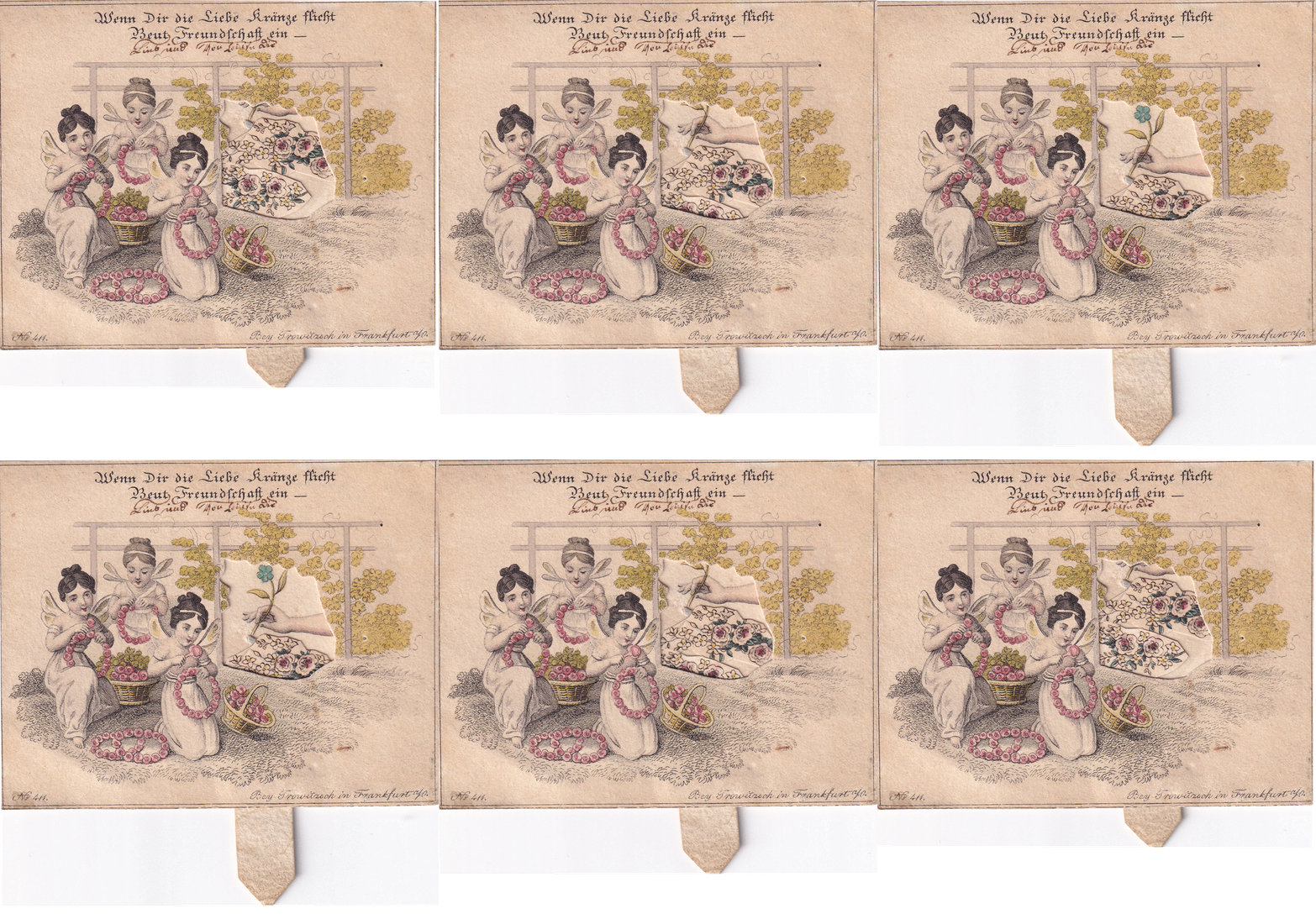
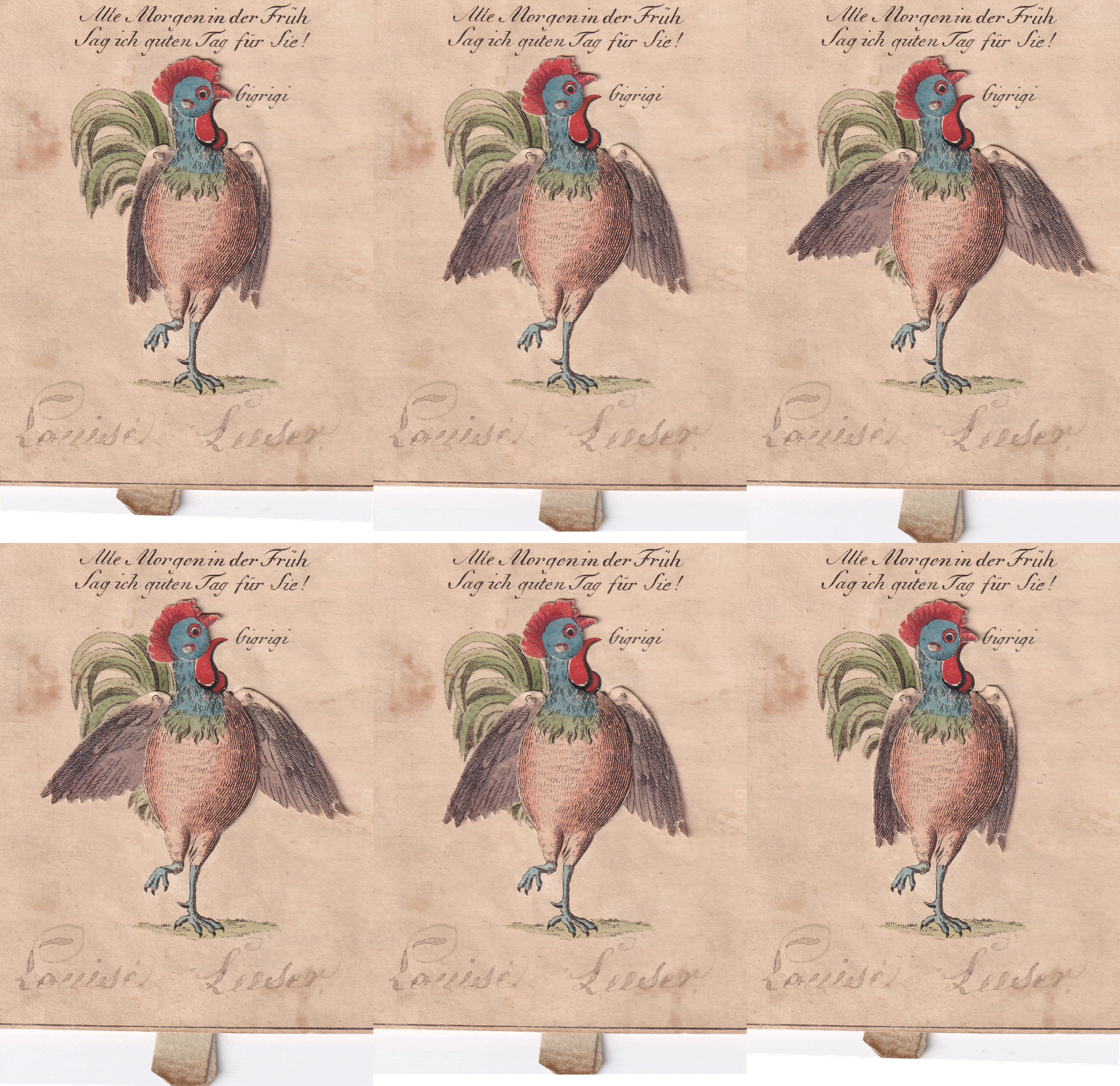
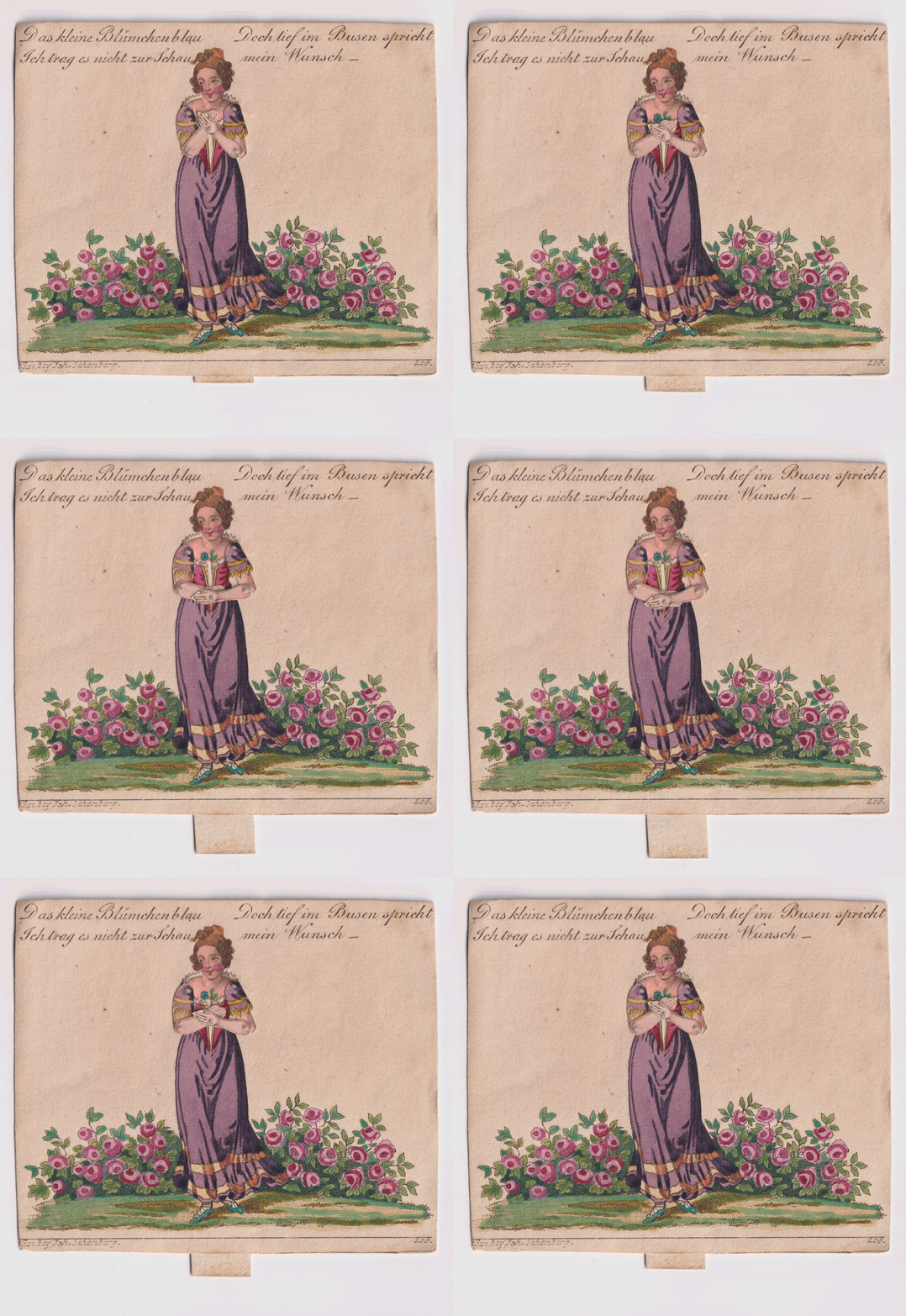
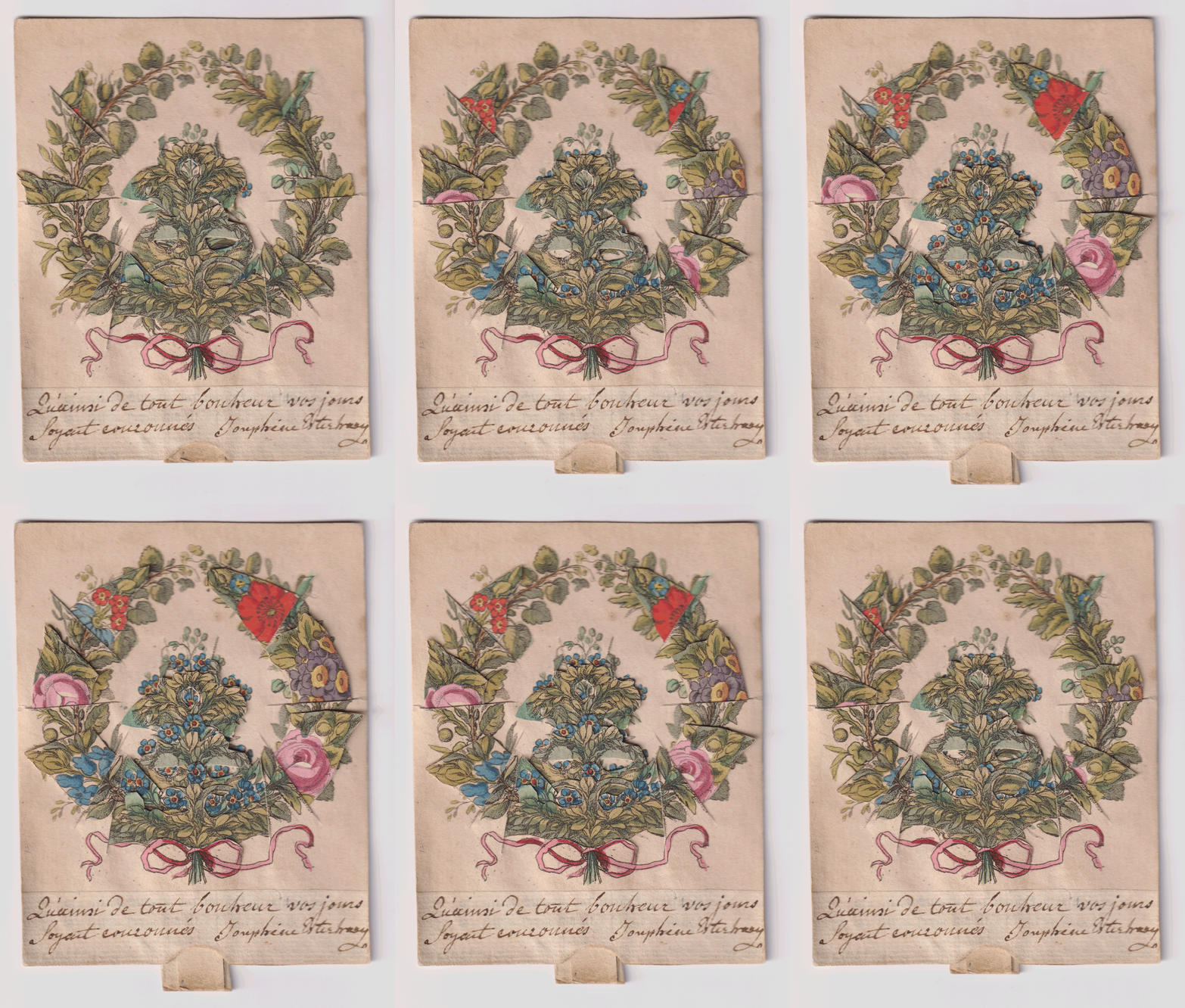
Some of the earliest movable cards were made primarily in Vienna, Austria, and to a lesser extent in France, during the first quarter of the 19th century. These were commercially made and printed using copper engraving on a sheet of stiff rag paper and hand-colored . The parts were then die-cut out and hand assembled, with novel mechanics utilizing a pull tab and silk thread tied into knots to hold the parts together. The back of the card was blank and often had an inscription and date from the owner to the recipient.
These fragile greeting cards were quite popular and given as gifts to friends and family. There were primarily a dozen publishers that created these cards during the 25 years between 1805-1830 with a remarkable output of probably 1000 different cards. Then they disappeared entirely. And none of these novel mechanisms appeared in books except one French movable book by Bres, “ LeJouJou.
Often they were mounted in scrap albums that preserved them from pulling for a hundred years. While we think of pop-up books and movable greeting cards today as a children’s plaything, these were treasured by the wealthy adults of the 19th century whose family values may seem quaint and sentimental today. However, some cards are satirical and humorous, with racial stereotypes, others are grotesque exaggerations and caricatures meant to shock and amuse and delight the giver and recipient. This Biedermeier period in Austria was a time of relative peace and prosperity allowing time to retire into the parlor to enjoy the evening by the fire and simplicity of a greeting card. While most were meant to be enjoyed and given by women, with marriage, babies and mothers prominently featured, others were meant to be given to a suitor or beau, have themes of hunting and drinking, and lost loves, unrequited love, and men looking for their potential wives.
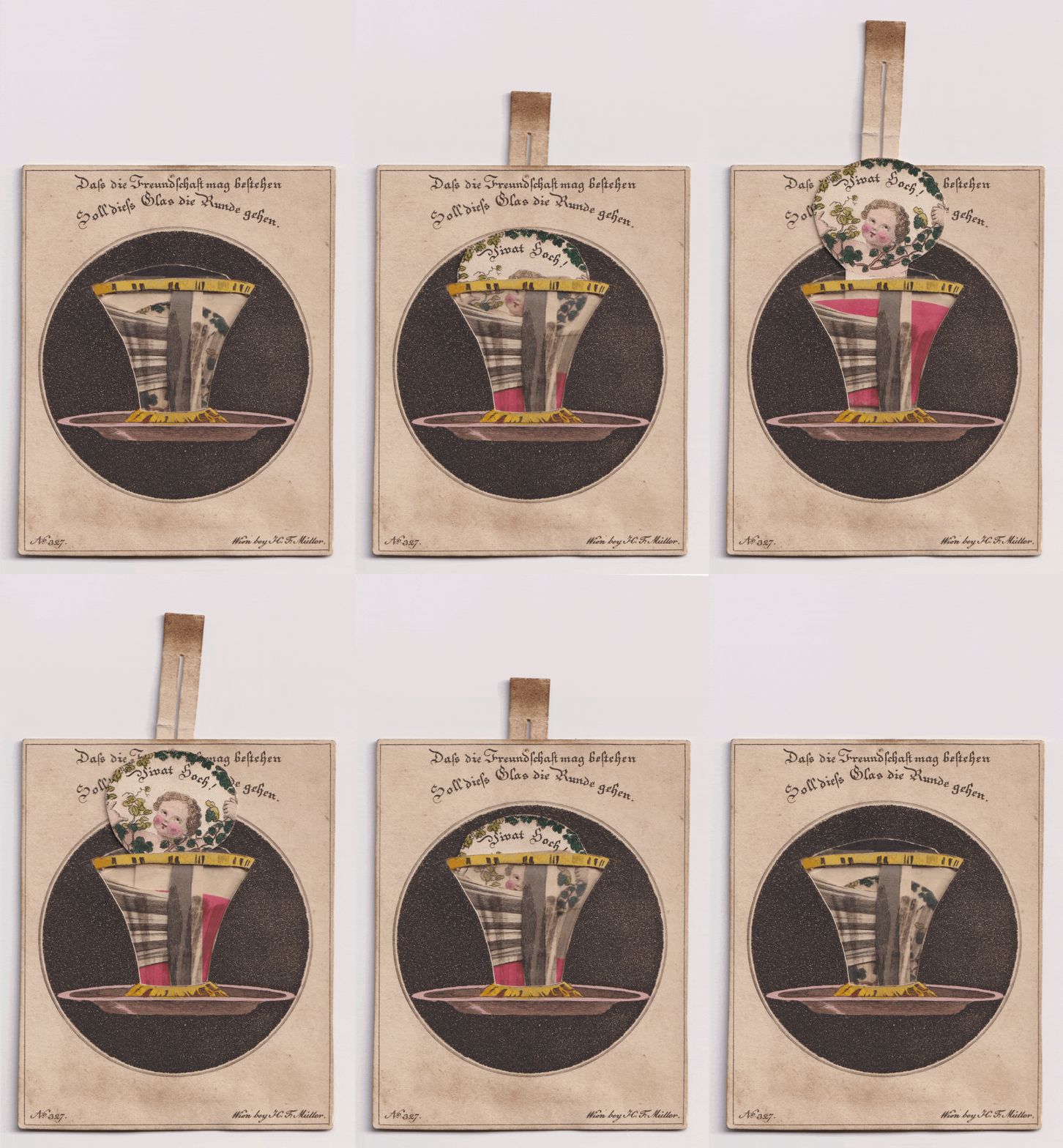
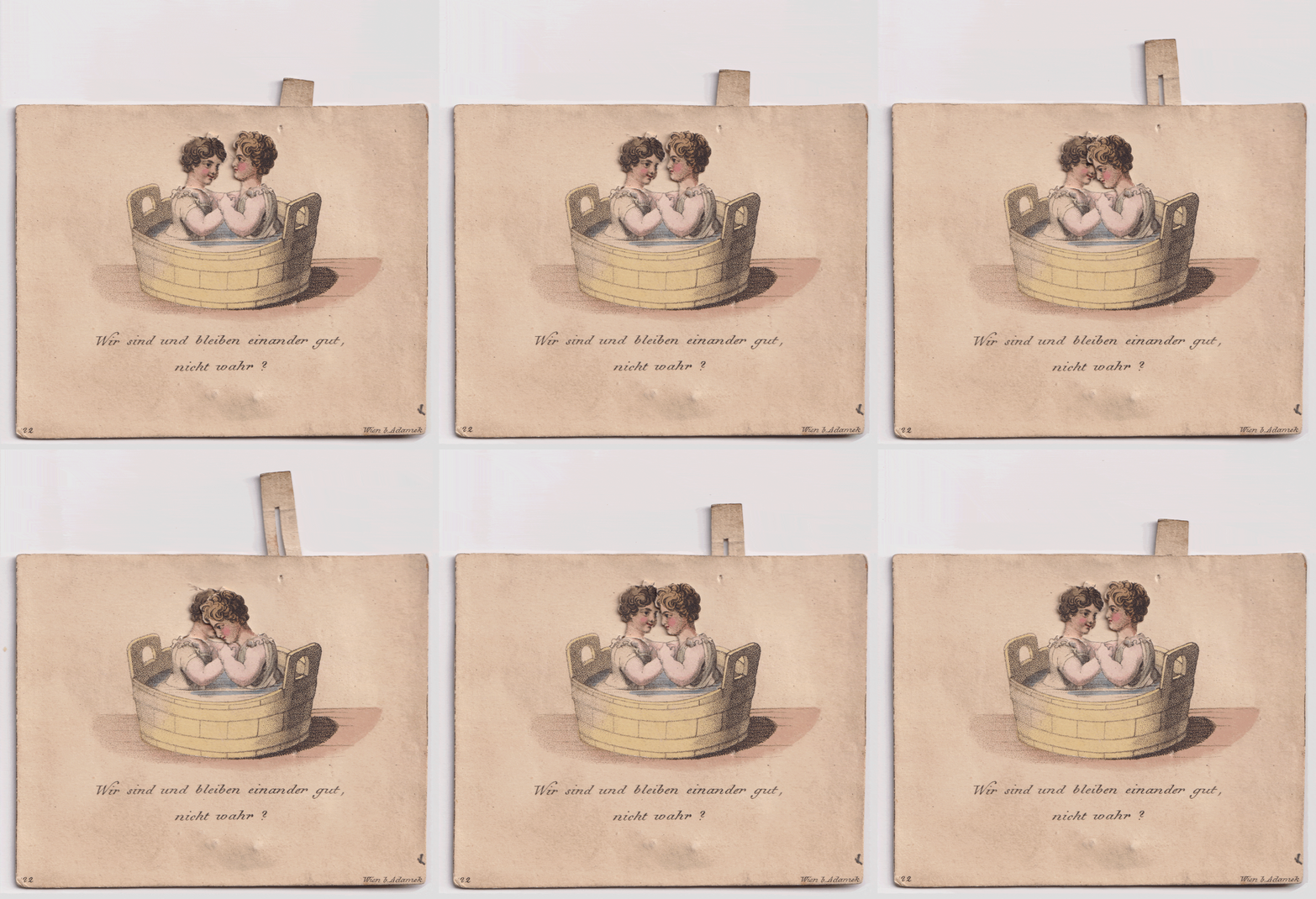
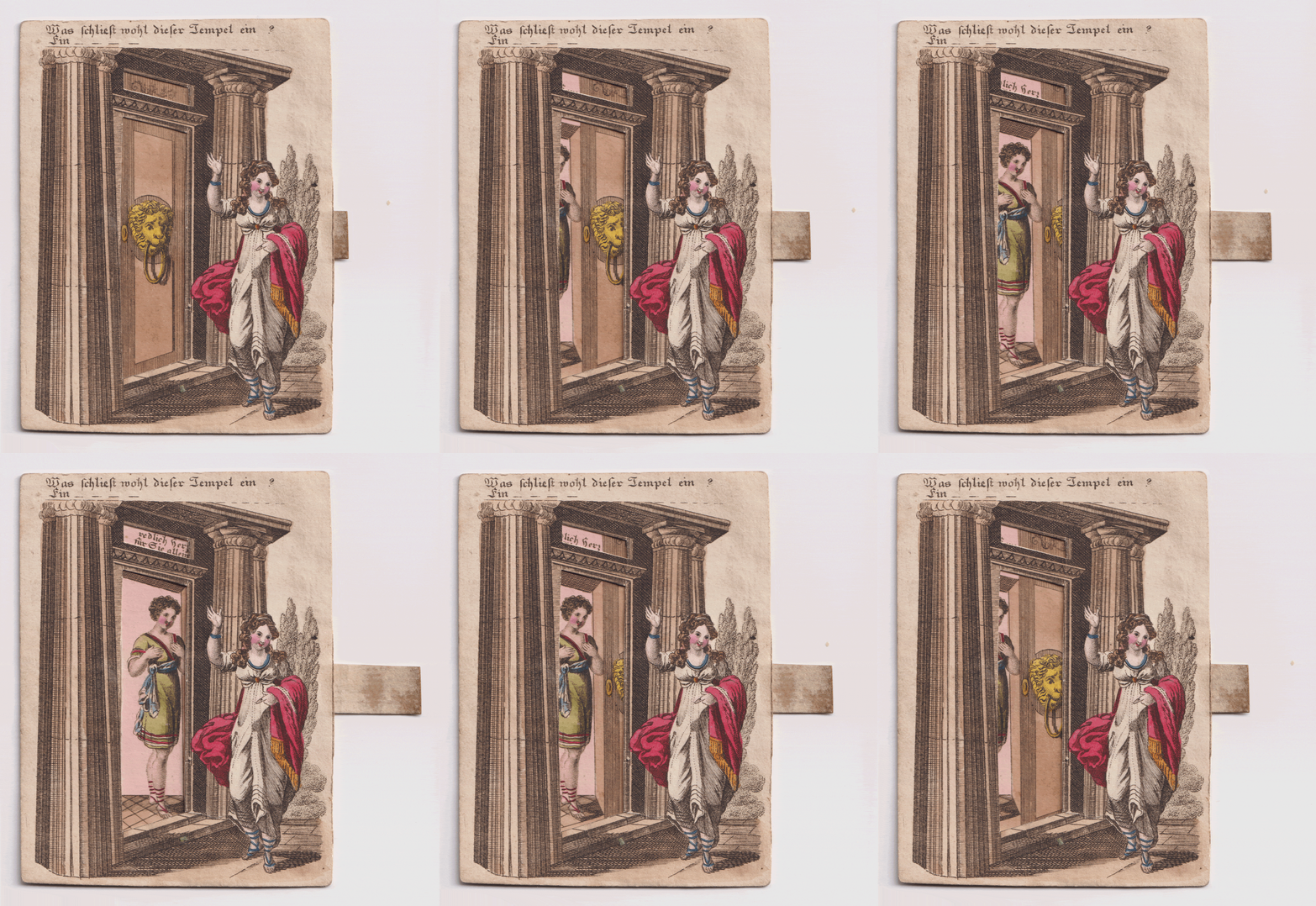
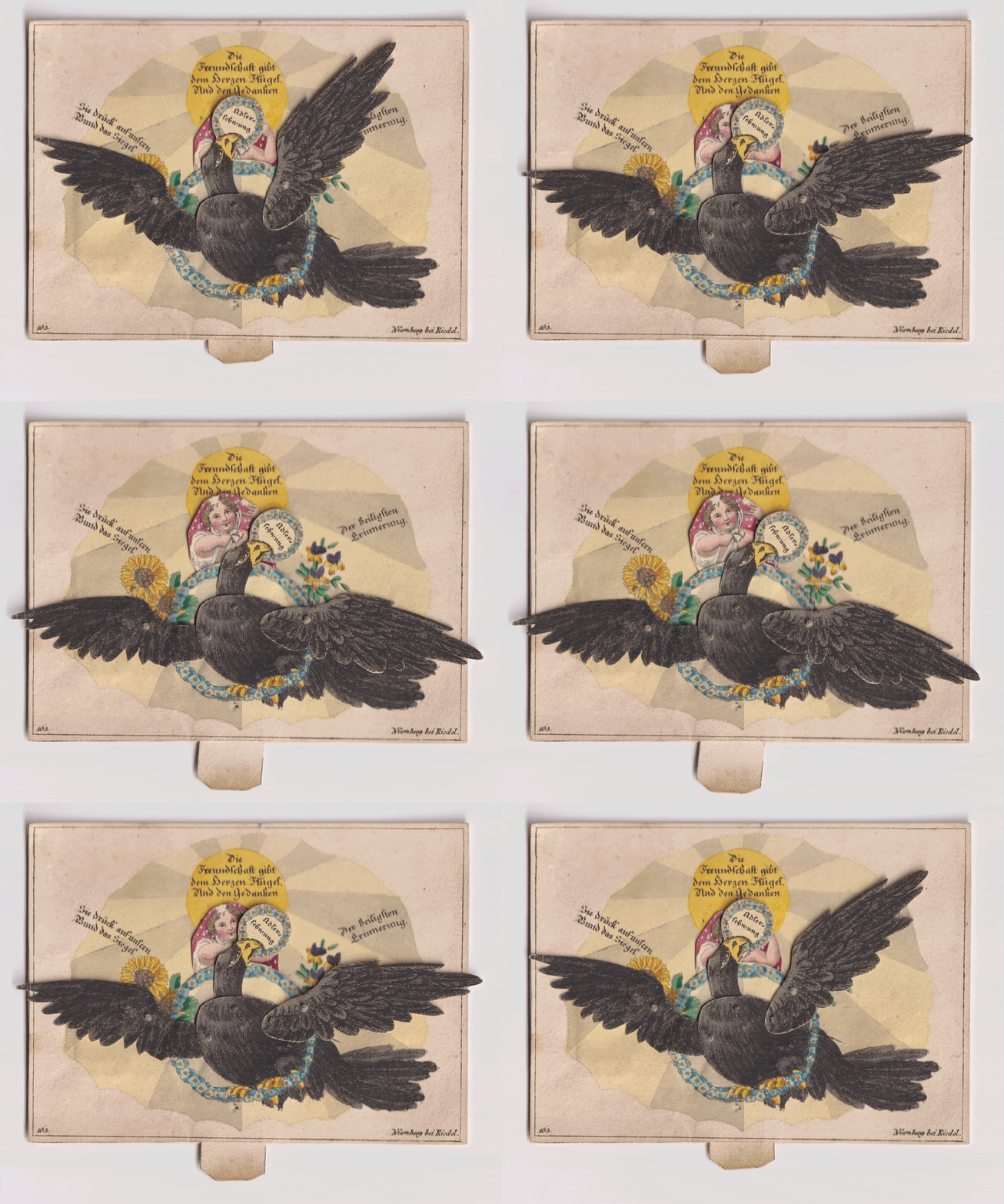
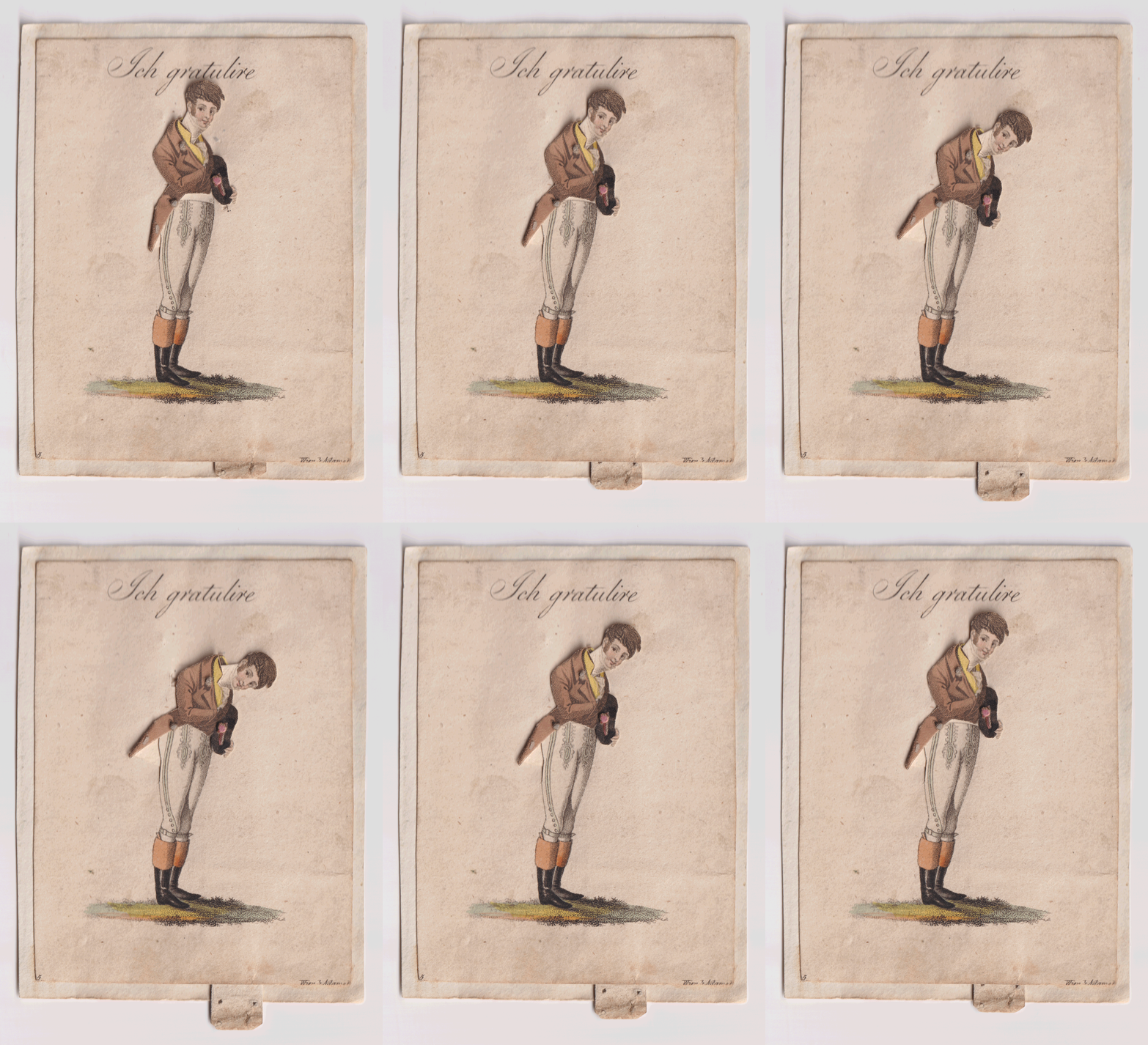
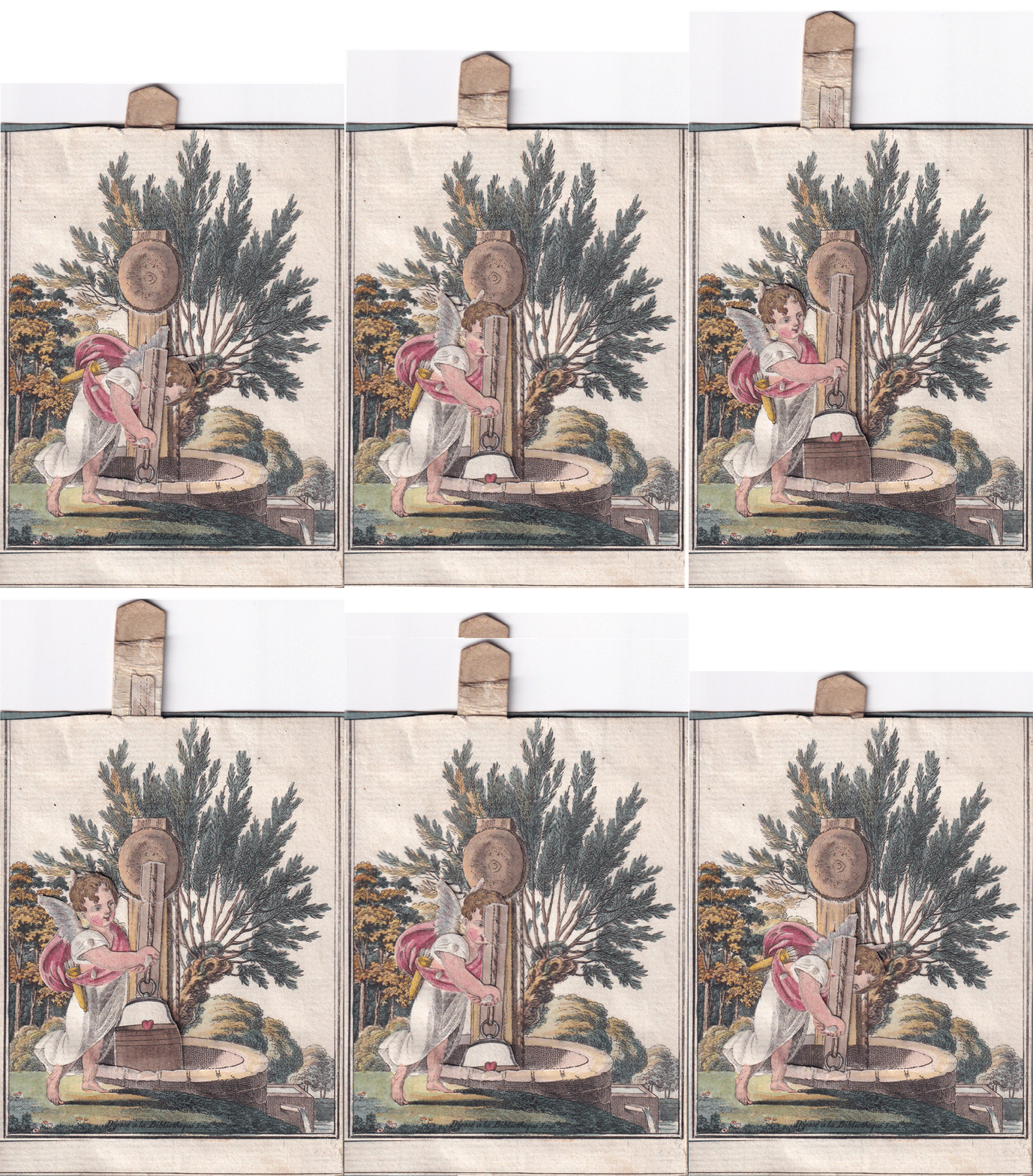
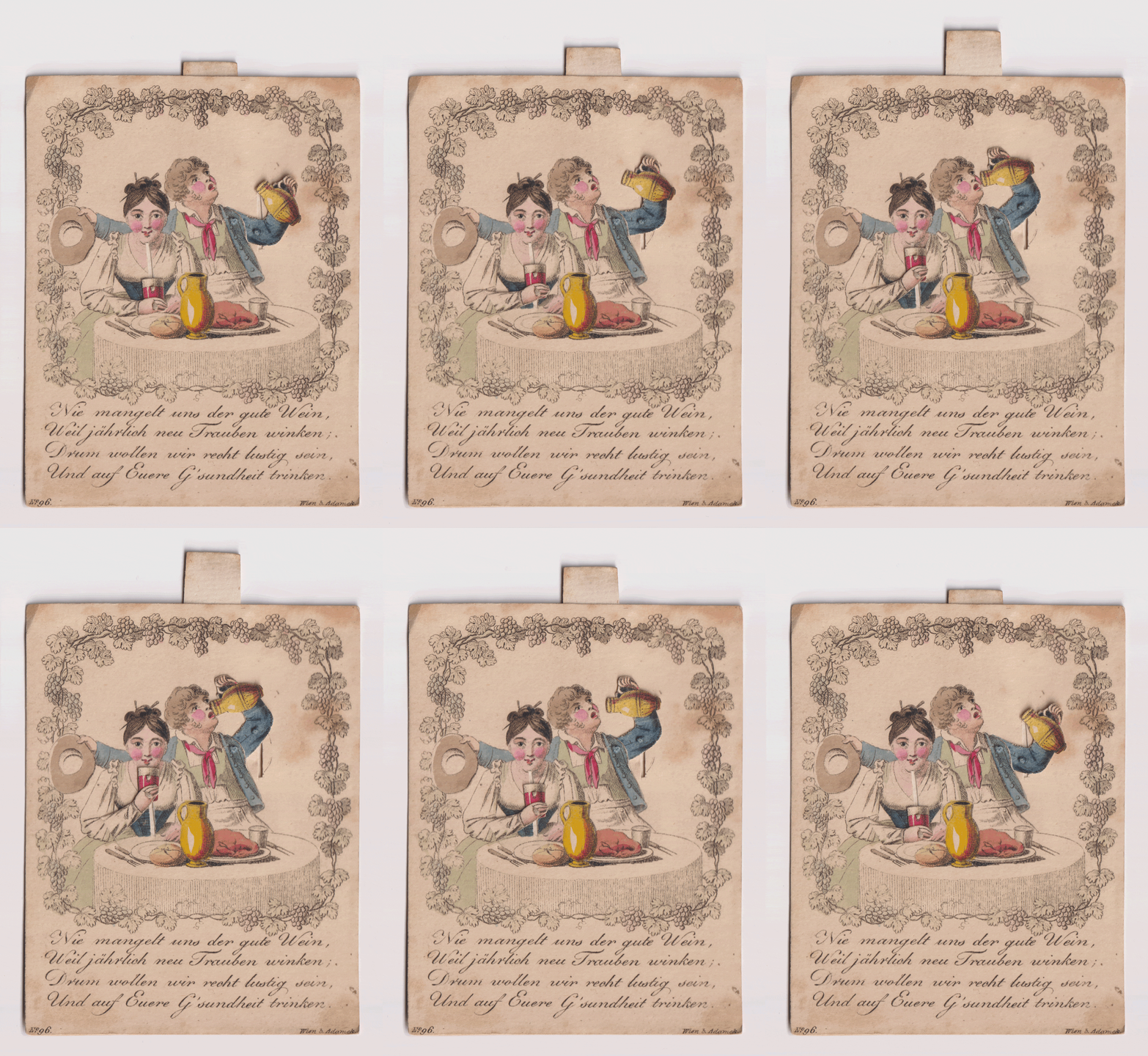
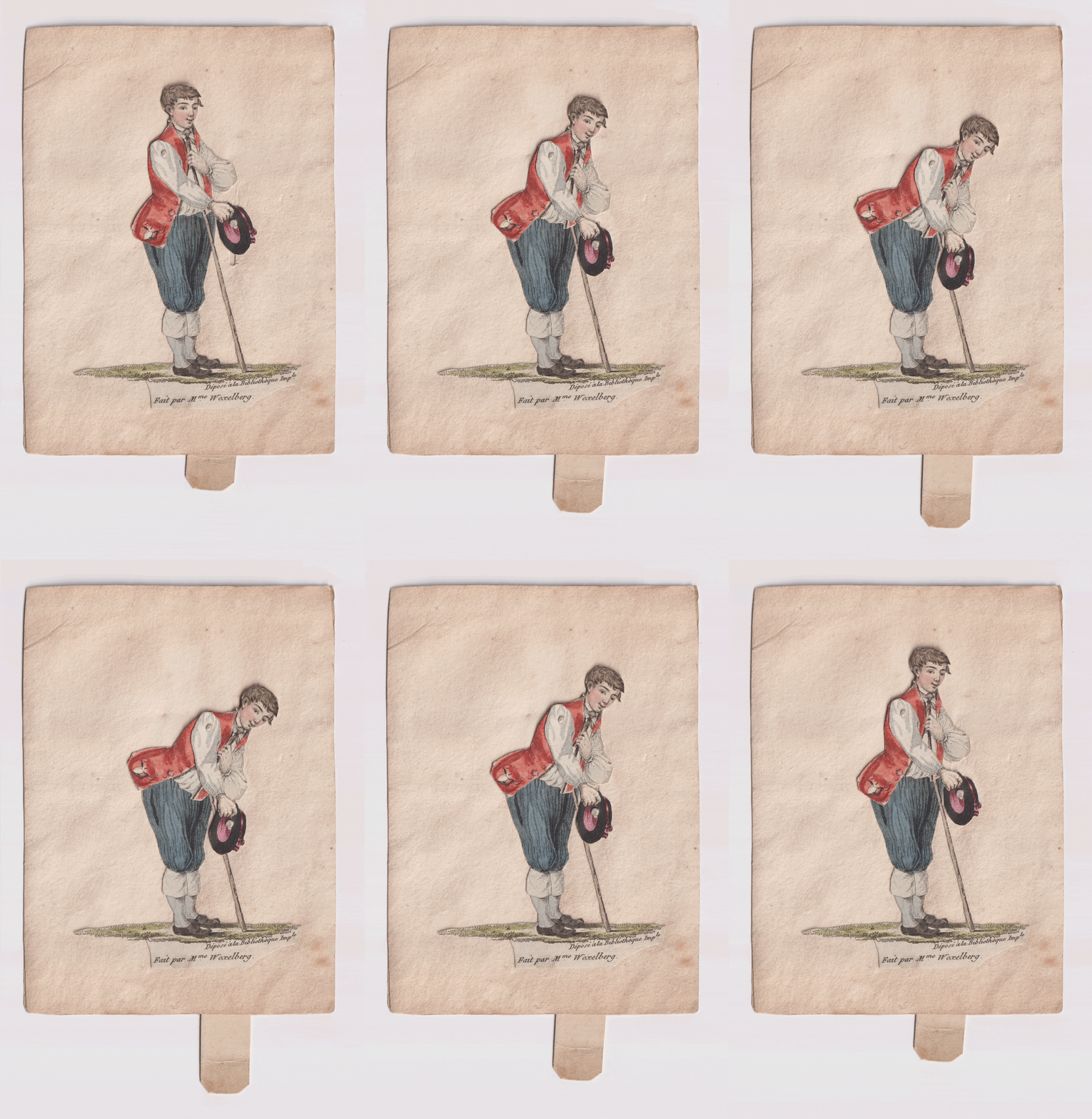
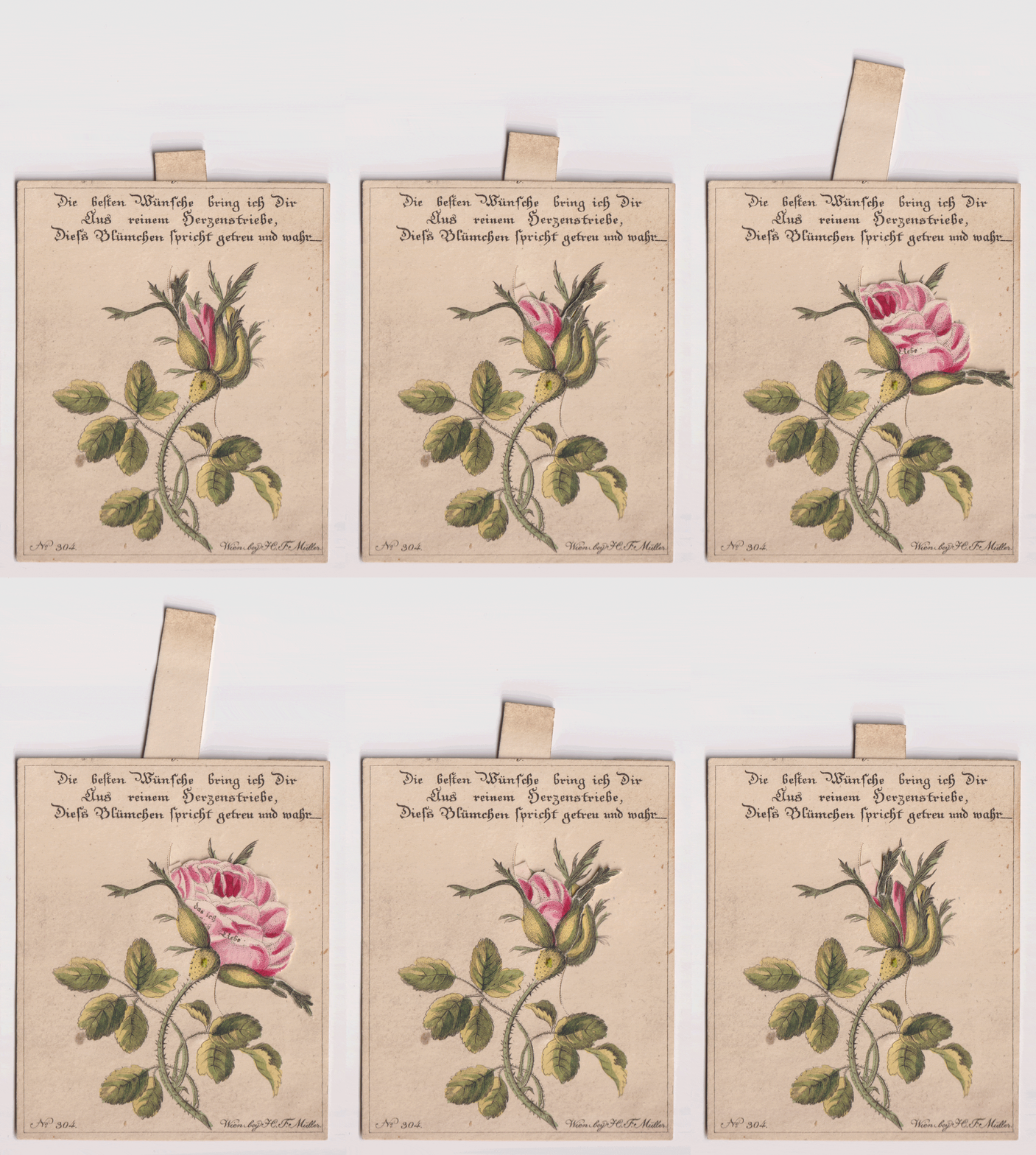
ANIMATION PROCESS:
We hope you enjoy these cards that are displayed as GIF files , which is a time consuming process. Several different high-resolution scans are taken of the card being operated with the pull tab. Little by little the new tab is pulled out and through a series of levers and string the card comes to life. Then the individual images are put into photoshop where they are cropped and aligned so they create a loop of “stop-motion” similar to the clay-mation animation of the 1960s Gumby or 1990s Wallace and Grommet. The reason scans were done and not photos, is to have a sharp image that will not have the “jiggle factor” motion artifact, when placed into the GIF file. Sometimes a movie is more suitable for a complex three dimensional card that opens with levers pulleys and string.
Scans were taken instead of photos to eliminate inconsistent angles and lighting when capturing the frames of animation. Scans also keep the card from being obscured by fingers or hands pulling on the tabs. This makes the final compilation of the frames smoother. Since most of the cards are pull tab and not pop-up, scans are more appropriate. In the more complicated mechanisms, that have or opening flaps, that are three dimensional, a short video or photos may be used for animation.
Today paper engineers are devoted to making primarily pop-up books that open when the pages are turned. These can be large scale and quite spectacular and complicated. Most Biedermeier cards were 3”x 4” in size. The beauty and intimacy of the Biedermeier card is that it was meant to be shared privately between the giver and recipient. Held in ones hand for a quiet moment of wonder and magic, one could imagine a person before TV and motion pictures enjoying the animation that came to life by the simple process of pulling a paper tab.
CONSERVATION, RESTORATION AND PRESERVATION:
Since they are fragile and sometimes stiff, the mechanisms have been torn or dismantled over the 200 years of operating. We are working to restore the integrity and beauty of these cards and bring them back to life with proper restoration. When a broken card is opened and examined, figuring out what elements inoperable is important. Some parts can be missing or damaged, and unless there is a duplicate card, the mechanism has to be reverse-engineered. A missing part or torn tab must be repaired or replaced with hand made acid-free archival paper. This is because all books made after the 1860s were made from the cheaper wood pulp. These cards survived because they were made from higher quality rag-content paper. The wood pulp paper used in novels is acidic and will yellow, become brittle, deteriorating over time.
MECHANISMS:
The novelty and ingenuity of these cards continues to delight and amaze the viewer. They appeared for two decades and then disappeared into obscurity with very few people appreciating these cards today. By creating categories of different movements, we hope today’s paper engineers can utilize some of these techniques in today’s movable books.
Pull-tab activated
String operated
Three dimensional pop up
Slat transformation
Hold to the light transparency
Lift the flap
Volvelle/ wheel